Need help? 24/7

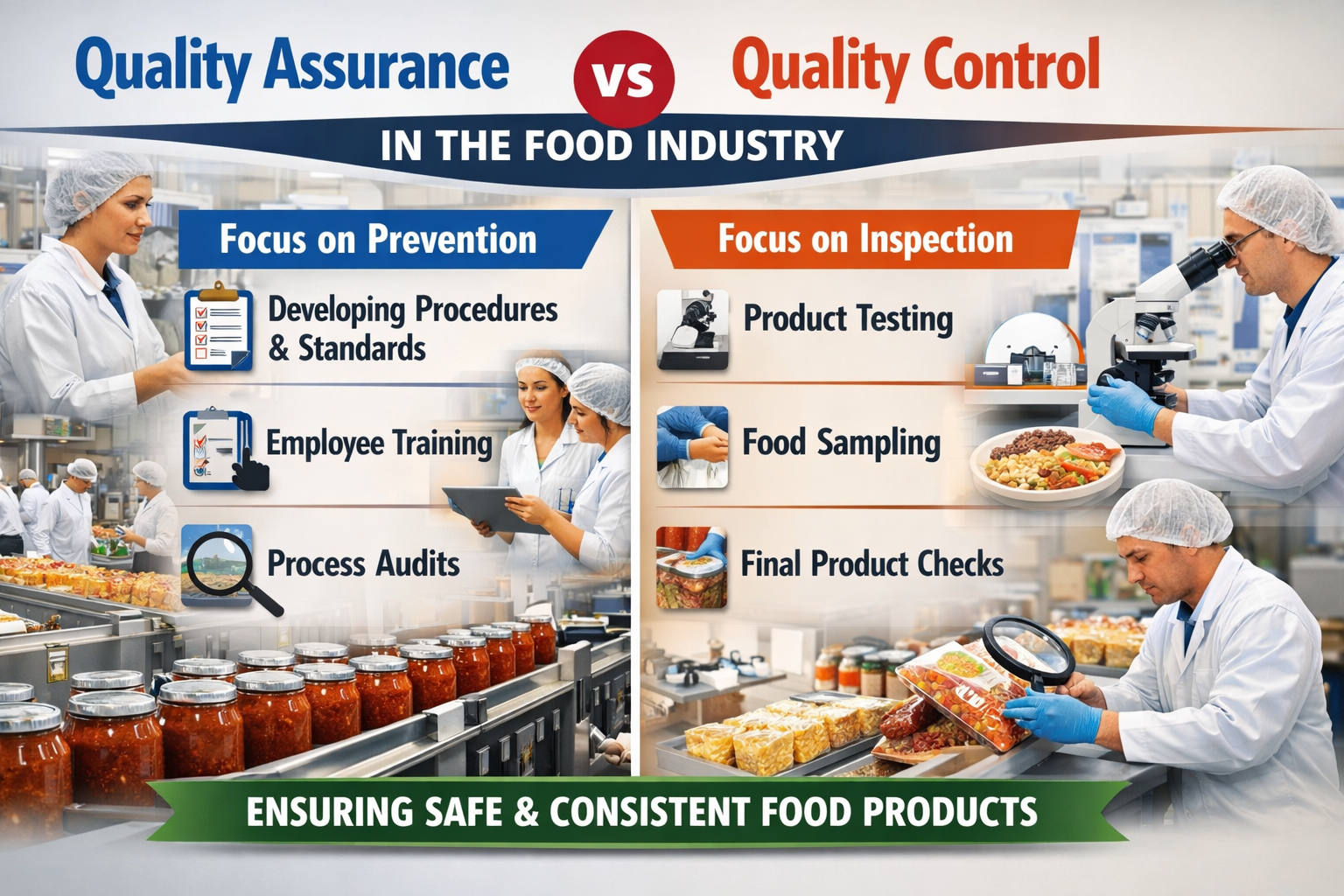
Differences between Quality Assurance & Quality Control
Basic Concept
Quality Assurance (QA) is a systematic and planned approach focused on preventing defects by improving and standardizing processes. It ensures that the right methods, systems, and procedures are in place before production begins. QA emphasizes doing the job right the first time rather than correcting mistakes later. It builds confidence that quality requirements will be fulfilled consistently.
Quality Control (QC), on the other hand, is concerned with detecting defects in finished or in-process products. It verifies whether the output meets predefined quality standards through inspection and testing. QC acts as a checkpoint to confirm that quality expectations have been met. It focuses on identifying deviations from specifications.
Nature of Activity
Quality Assurance (QA) is a proactive activity that works upstream in the production cycle. It anticipates potential quality issues and designs systems to avoid them. QA activities are continuous and preventive in nature. They aim to minimize the chances of defects occurring at any stage.
Quality Control (QC) is a reactive activity that responds to quality issues after production or during processing. It identifies non-conformities once the product has already been made. QC actions are corrective rather than preventive. It deals with the consequences of process failures.
Focus Area
The primary focus of Quality Assurance is on process quality—how things are done. It emphasizes system design, SOPs, and workflow consistency. QA ensures that processes are capable of producing quality products repeatedly. It addresses variability at the source.
Quality Control focuses on product quality, ensuring that the final or intermediate product conforms to specifications. It checks measurable characteristics such as weight, composition, strength, or safety parameters. QC validates the output of the process. It confirms compliance with standards.
Objective
The objective of QA is to build quality into the process so that defects do not occur in the first place. It aims at long-term quality improvement and system reliability. QA focuses on prevention rather than correction. It ensures consistency and sustainability of quality performance.
The objective of QC is to identify and eliminate defective products before they reach customers. It safeguards the market by preventing non-conforming products from being released. QC helps maintain minimum acceptable quality levels. It acts as a quality gatekeeper.
Stage of Implementation
Quality Assurance is implemented before and during production, starting from raw material sourcing to process planning. It influences product design, supplier selection, and training programs. QA ensures readiness before operations begin. It operates throughout the lifecycle.
Quality Control is implemented during and after production, mainly at critical checkpoints and at the finished-product stage. It evaluates actual production outcomes. QC confirms whether planned quality has been achieved. It operates closer to product release.
Responsibility
Quality Assurance is usually the responsibility of management, system designers, and process owners, as it involves policy making and system development. It requires leadership commitment and cross- functional involvement. QA responsibilities are shared across departments. It promotes a quality culture.
Quality Control is typically handled by laboratory analysts, inspectors, and testing personnel. These individuals are trained to identify defects and deviations. QC responsibilities are more specialized. They are focused on operational quality checks.
Approach
Quality Assurance follows a process-oriented approach, emphasizing standardization, documentation, and continuous improvement. It ensures processes are defined, controlled, and monitored. QA improves process capability over time. It focuses on system effectiveness.
Quality Control follows a product-oriented approach, concentrating on inspection, measurement, and verification. It assesses tangible product attributes. QC evaluates conformity rather than process efficiency. It confirms output quality.
Tools & Techniques
Quality Assurance uses tools such as SOPs, audits, training programs, risk assessment, HACCP, and quality manuals. It also uses management review and internal audits. These tools help prevent failures. QA tools strengthen system robustness.
Quality Control relies on tools like sampling plans, control charts, laboratory testing, and inspection checklists. Analytical instruments play a major role in QC. These tools help detect defects. QC tools provide measurable evidence.
Documentation Involvement
Quality Assurance involves extensive documentation, including quality policies, procedures, manuals, and records. Documentation ensures traceability and standardization. It supports audits and certifications. QA documentation defines how quality is achieved.
Quality Control documentation mainly includes test reports, inspection records, and batch release documents. These records prove product compliance. QC documentation supports acceptance or rejection decisions. It reflects actual product performance.
Error Handling
In Quality Assurance, errors are addressed by root-cause analysis and system improvement. Corrective and preventive actions are implemented. The goal is to eliminate
recurrence. QA focuses on learning from failures.
In QC, errors are handled by rejecting, reworking, or segregating non-conforming products. Immediate corrective action is taken. QC decisions are based on test results.
It manages defective outputs.
Cost Complications
Quality Assurance helps in reducing long- term costs by minimizing waste, rework, recalls, and complaints. Investment in QA saves money over time. It improves operational efficiency. QA reduces hidden quality costs.
Quality Control may involve higher short-term costs due to frequent testing and reprocessing. Rejects and rework increase expenses. QC costs are visible and immediate. It deals with failure costs.
Role in Continuous Improvement
Quality Assurance plays a central role in continuous improvement initiatives such as Kaizen and Six Sigma. It drives systematic improvements. QA sets improvement goals. It strengthens organizational learning.
Quality Control supports improvement by providing defect data and trend analysis. It highlights problem areas. QC data helps prioritize improvements. It acts as a feedback mechanism.
Preventive & Detective Role
Quality Assurance is fundamentally preventive, aiming to avoid defects through planning and control. It focuses on foresight. QA minimizes risks before they materialize. It strengthens process discipline.
Quality Control is detective, identifying defects after production. It finds errors once they occur. QC does not prevent defects directly. It limits their impact.
Customer Satisfaction Impact
QA ensures consistent quality, which builds long-term customer trust and brand value. It reduces variability in customer experience. QA supports reputation management. It enhances loyalty.
Quality Control ensures that only compliant products reach customers. It protects consumers from defective products. QC prevents immediate dissatisfaction. It safeguards brand credibility.
Skill Set Required
QA professionals require skills in systems thinking, auditing, compliance, and process improvement. Strategic and analytical skills are essential. QA roles demand coordination abilities. They focus on management-level quality.
Quality Control professionals require strong technical and analytical skills. They must understand testing methods and instruments. QC roles demand attention to detail. They focus on operational accuracy.
Regulatory Compliance Role
Quality Assurance ensures systems comply with regulatory and certification requirements. It prepares organizations for audits. QA maintains readiness at all times. It
ensures sustained compliance.
Quality Control ensures product-level compliance with legal limits and specifications. It verifies safety and quality parameters. QC supports regulatory approvals. It provides compliance evidence.
Scope of Work
QA has a broader organizational scope, covering suppliers, processes, training, and management systems. It influences the entire value chain. QA integrates quality into
strategy. It has long-term impact.
QC has a narrower operational scope, mainly focused on inspection and testing. It works within production boundaries. QC addresses immediate quality issues. It has short-term impact.
Overall Philosophy
Quality Assurance follows the philosophy that quality is built into the system. It believes prevention is better than correction. QA promotes shared responsibility. It supports quality culture.
Quality Control follows the philosophy that quality must be verified through inspection. It relies on measurement and evidence. QC ensures accountability. It validates results.